
Shanghai World Expo Museum
- Cathy Shen

- Dec 13, 2025
- 4 min read
The Shanghai World Expo Museum is the world's first museum dedicated to World Expos, located at 818 Mengzi Road, Huangpu District, Shanghai. The museum building opened in May 2017, covering an area of 4 hectares, with a collection of over 28,000 items. The World Expo Museum's permanent exhibition is unique in the world as a comprehensive showcase of World Expo themes, encompassing Expo-related artifacts, documents, and multimedia materials.
The architecture of the Shanghai World Expo Museum is highly expressive. The glass cloud consists of 3,730 triangular glass panels, and its unique "suspended steel structure shell" is a self-supporting structural system that doesn't rely on external structures. The curtain wall uses specially made "copper-aluminum composite panels" consisting of copper plates backed with aluminum plates and honeycomb panels. While balancing cost control and ensuring curtain wall strength, it creates textures and patterns full of temporal traces. For the installation of these 10,000-plus square meters of reddish-copper-colored copper-aluminum composite panels, 1:1 comparisons were made for panel block sizes and joint positions. Using horizontal linear divisions, six types of standard panels were randomly combined and installed in staggered overlapping patterns between layers, expressing a sense of temporal weathering through both rough and refined textures.



The focus of my visit was the ancient Roman art exhibition "Rome, Rome—From Olympus to the Capitol," held in Temporary Exhibition Halls 2 and 3 from November 11, 2025, to May 5, 2026. This ancient Roman exhibition features three themes: "Legends of the Gods," "Glory of the Empire," and "Feast of Life."
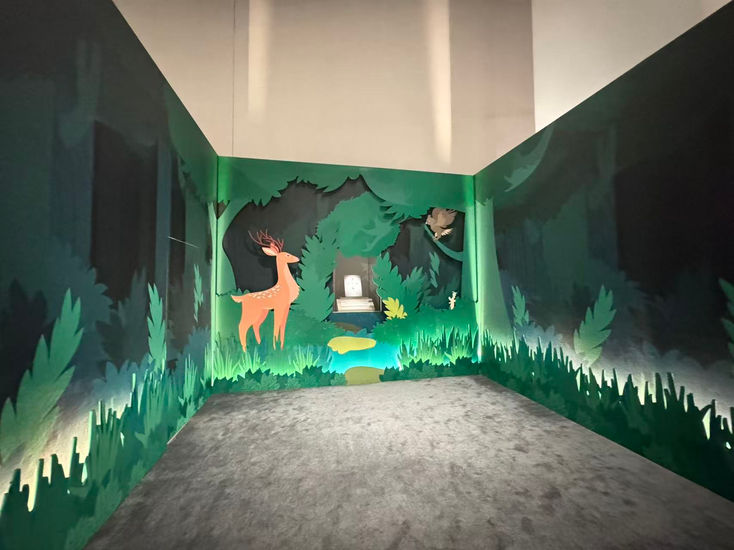
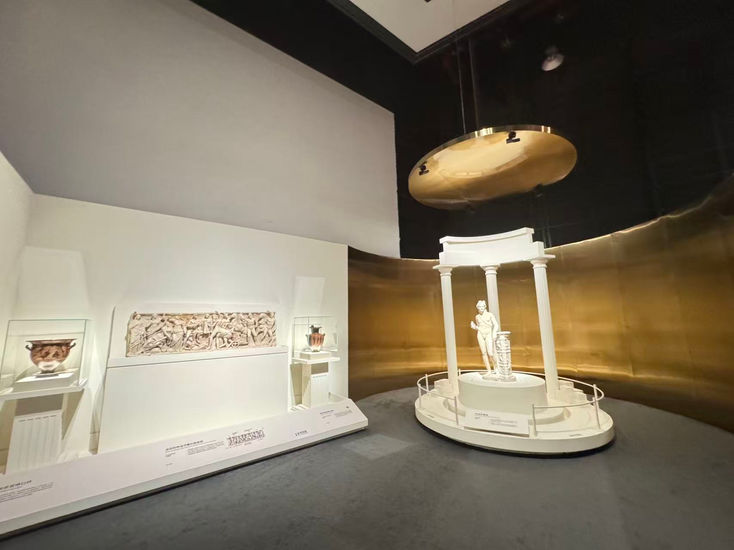
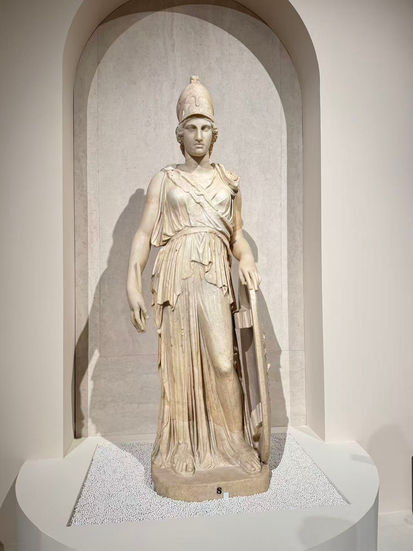
Roman mythology was the Romans' way of understanding the world. Understanding the gods as they saw them—highly integrated with ancient Greek gods but endowed with various earthly responsibilities—is an important reference for understanding their thought and culture. Thus, "Legends of the Gods" brings together sculptures of ancient Roman deities, from Zeus, the king of gods, to various gods with specific duties, such as Ares, the god of war; Venus, the goddess of beauty; Cupid, the god of love; Apollo, the sun god; Athena, the goddess of wisdom; and others. They are arranged in a circular exhibition hall carefully designed to recreate the interior of an ancient Roman temple, with even the ceiling decorated to resemble the Roman Pantheon. Behind each sculpture, small exhibition rooms are arranged according to each god's domain, displaying related ancient Roman artifacts. For example, the exhibition room behind Bacchus, the god of wine, is decorated entirely in bright red, displaying various reliefs and pottery artifacts depicting ancient Roman celebrations and Bacchanalia. The exhibition room behind Diana's sculpture is arranged as a green forest, showcasing various sacred animals of Diana and sacrificial statues. Leaving the circular hall, visitors come to sculptures of ancient Roman gods not among the twelve major deities, as well as a small number of stone carvings depicting ancient Roman mythological legends used for funerary purposes (sarcophagi, urns, etc.).


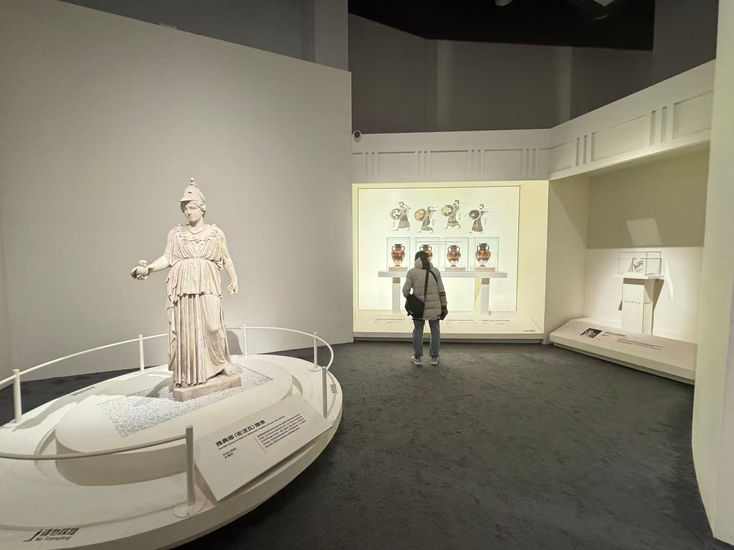















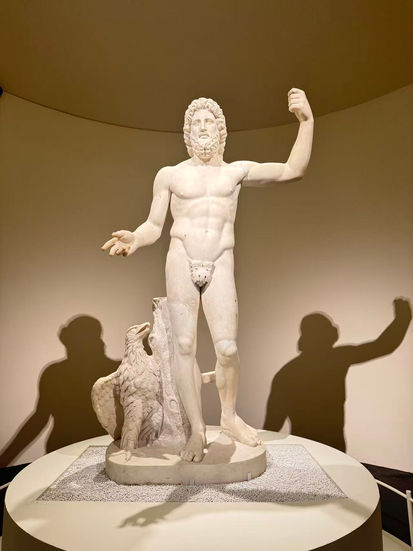
"Rome wasn't built in a day"—this famous saying familiar to all Chinese people perfectly embodies the exhibition theme "Glory of the Empire." This section displays sculptures of Emperor Augustus and other famous emperors and empresses of ancient Rome while also presenting visitors with the history and territorial expanse of the ancient Roman Empire, as well as its inclusiveness, power, and splendor. A timeline format is used here to compare ancient Rome (until the fall of the Western Roman Empire) with Chinese dynasties and famous events during the same historical periods. Additionally, through images and text, it explains the significance of the "triumphal arch." The subsequent sculptures focus on demonstrating how the powerful ancient Roman Empire, after incorporating regions like Egypt, showed tolerance for various religions and beliefs, giving birth to many sculptural images that merged ancient Roman and other regional mythologies, such as the ancient Roman sculpture of the goddess Isis.




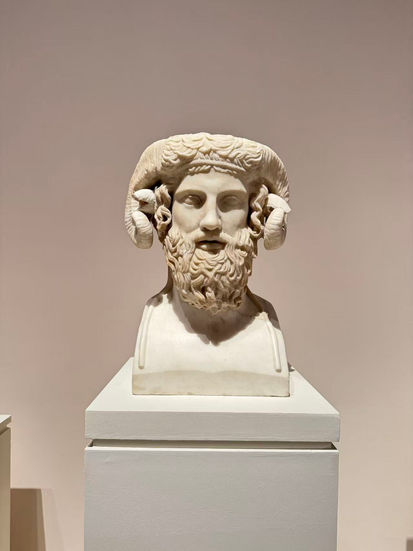


"Feast of Life" embodies the true civilizing power of ancient Rome: Roman order and culture. Sculptures of ordinary ancient Romans, mosaics, frescoes, glassware, medical developments, perfume bottles, and the worship of Athena all reflect the material and spiritual world of ancient Romans. They built standardized bathhouses, theaters, and amphitheaters; implemented unified weights and measures, currency, and legal codes; and constructed cities with forums, temples, and drainage systems in various provinces, profoundly influencing all of Western society.




The exhibition design of "Rome, Rome—From Olympus to the Capitol" shows exceptional care in presenting various ancient Roman artifacts and artworks.
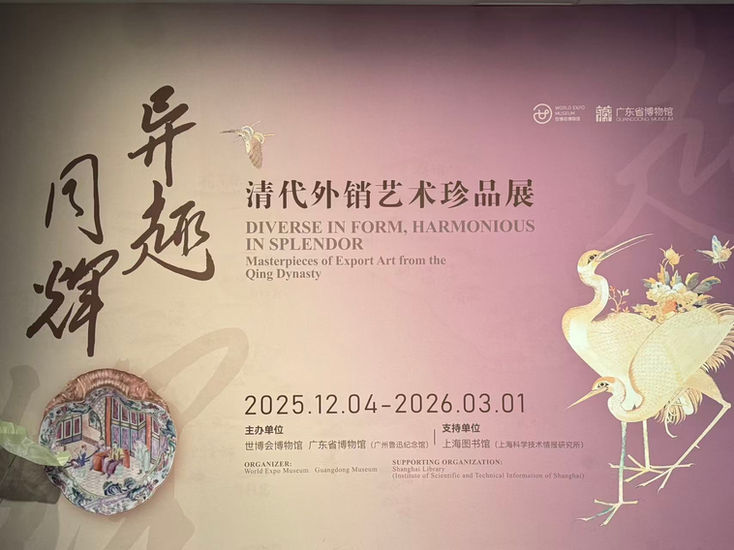
Additionally, from December 3, 2025, to March 1, 2026, the museum's Temporary Exhibition Hall 1 is hosting the special exhibition "Different Charm, Shared Splendor—Treasures of Qing Dynasty Export Art." This exhibition brings together 119 pieces (sets) of Qing Dynasty export artworks from the Guangdong Museum collection, including nine major categories, such as Cantonese embroidery, Canton porcelain, and Cantonese carving, vividly presenting the cultural fusion in Sino-Western trade during the 18th and 19th centuries. Exhibition highlights include the application of Western techniques in Cantonese embroidery, European heraldic themes in Canton porcelain, and export paintings recording the Canton factories and Shanghai Bund scenery, emphasizing the commercial and cultural heritage between Guangdong and Shanghai.


"Rome, Rome—From Olympus to the Capitol" requires an admission fee of 80 RMB, while other special exhibitions and permanent exhibitions are free. The entire museum exhibition tour takes approximately 3 hours to complete.


Comments